Home Kitchen Notes
Inside the Old-Fashioned Baking Soda and Honey Gelatin Routine Many Households Once Kept in the Kitchen Cabinet
Long before modern shortcuts, some households prepared a simple baking soda and honey gelatin mixture as part of an evening kitchen habit — this page looks at where that habit came from.
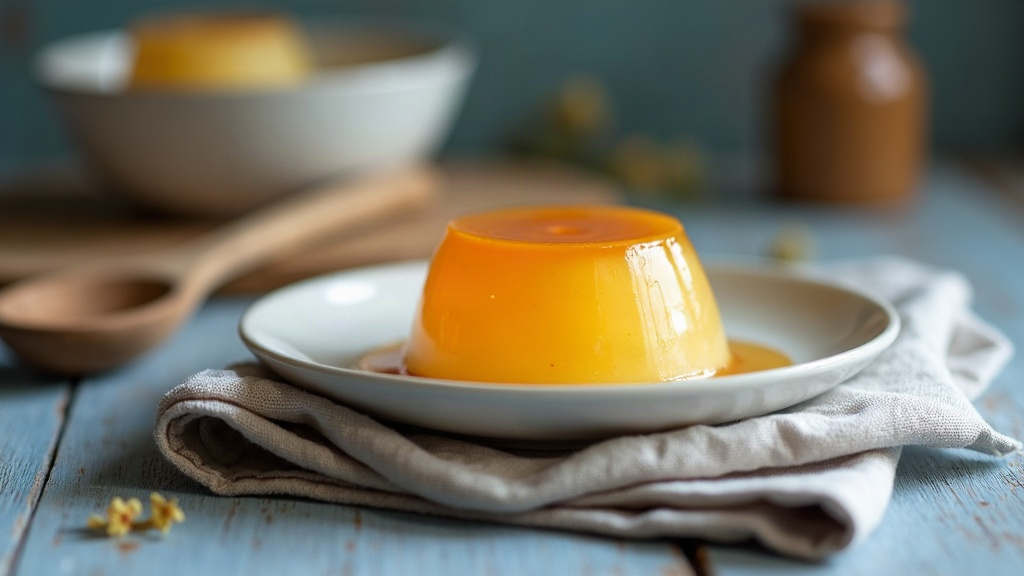
A Familiar Evening Routine, Revisited
It’s just past nine in the evening. The kitchen light is the only one still on. A man in his fifties stands at the counter, going through the same short routine his father once did — nothing dramatic, just habit.
Restless Evenings
For many men past fifty, the wind-down at the end of the day looks different than it used to.
Slower Mornings
Routines that once felt automatic can start to feel like they take a little more effort.
Old Kitchen Habits Fading
Simple home preparations, once common in every kitchen, are rarely passed down anymore.
Everyday Balance Concerns
Small daily rituals were often about consistency, not about chasing a specific outcome.
How the Old Routine Was Put Together
Passed down through informal notes rather than formal recipes, the preparation followed a simple three-part rhythm.
Warming the Base
Honey and gelatin were combined in warm water on the stovetop, stirred until dissolved.
Adding the Baking Soda
A small amount of baking soda was mixed in, a step many households treated almost like a finishing touch.
Letting It Rest
The mixture was left to cool before being set aside for the evening, often just before bed.
Myths and Facts About the Old Recipe
Old kitchen habits tend to collect stories over time. Here is what separates common assumptions from documented history.
This mixture was a medical treatment used by doctors.
It was a home kitchen habit, not a clinical remedy, and was never studied as a treatment.
Baking soda and honey gelatin guarantees a specific outcome.
No specific outcome is guaranteed; historical accounts describe it simply as a nightly habit.
The recipe was identical in every household.
Recipes varied widely by family, region, and whatever ingredients were on hand.
Where the Habit Came From
In many home kitchens of earlier decades, honey and gelatin were common pantry staples, and baking soda sat in nearly every cupboard for cooking and cleaning alike. Combining the three into a simple evening mixture wasn’t a formal recipe passed down in cookbooks — it was more of a quiet household habit, taught by watching a mother or grandmother rather than reading instructions.
Many kitchen habits from that era were built around what was on hand — not around formal instructions.
Six Things Worth Knowing Before Trying Old Recipes
Check with a Professional First
Anyone with existing health conditions should speak with a healthcare provider before changing daily habits.
Ingredient Sensitivities
Some people react differently to honey or baking soda; individual sensitivities vary.
Not a Substitute
Home kitchen habits are not a substitute for professional medical guidance.
Sourcing Matters
Ingredient quality and freshness were often inconsistent across old household recipes.
No Standard Recipe
There was never one official version, only informal family variations passed by word of mouth.
Read Labels Today
Modern packaged products differ from historical pantry staples; always check current labeling.
Notes from Readers Who Tried the Old Routine

Illustrative composite examples. Individual results vary. Not a guarantee.
Frequently Asked Questions
It refers to a simple home-kitchen mixture combining baking soda, honey, and gelatin, historically prepared in some households as an evening habit.
No. This page discusses a traditional homemade practice, not a manufactured product.
Accounts suggest it was passed informally through families, often tied to home kitchens rather than any single documented origin.
No. This content is educational and does not describe a treatment, cure, or prevention for any condition.
No formal research is referenced here; this page describes historical household habits, not clinical findings.
Individual circumstances vary, and anyone considering a change to daily habits should speak with a healthcare professional first.
Interest in traditional home routines has grown, and this page simply documents that history for readers curious about it.
Curious About the Full History?
Continue reading for the complete background on this old-fashioned kitchen habit.
Advertising Disclosure: This page contains sponsored content and affiliate links. We may receive compensation if you make a purchase or take action through links on this site. This helps support the publication of independent editorial content.
Content Disclaimer: This content is for educational and informational purposes only. It has not been evaluated by the FDA and is not intended to diagnose, treat, cure, or prevent any disease. Always consult a qualified healthcare professional before making changes to your health routine.
Results Disclaimer: Individual results vary. Testimonials and examples shared on this page are illustrative only and are not a guarantee of any specific outcome.
© 2026 · All Rights Reserved · /contact/